AI
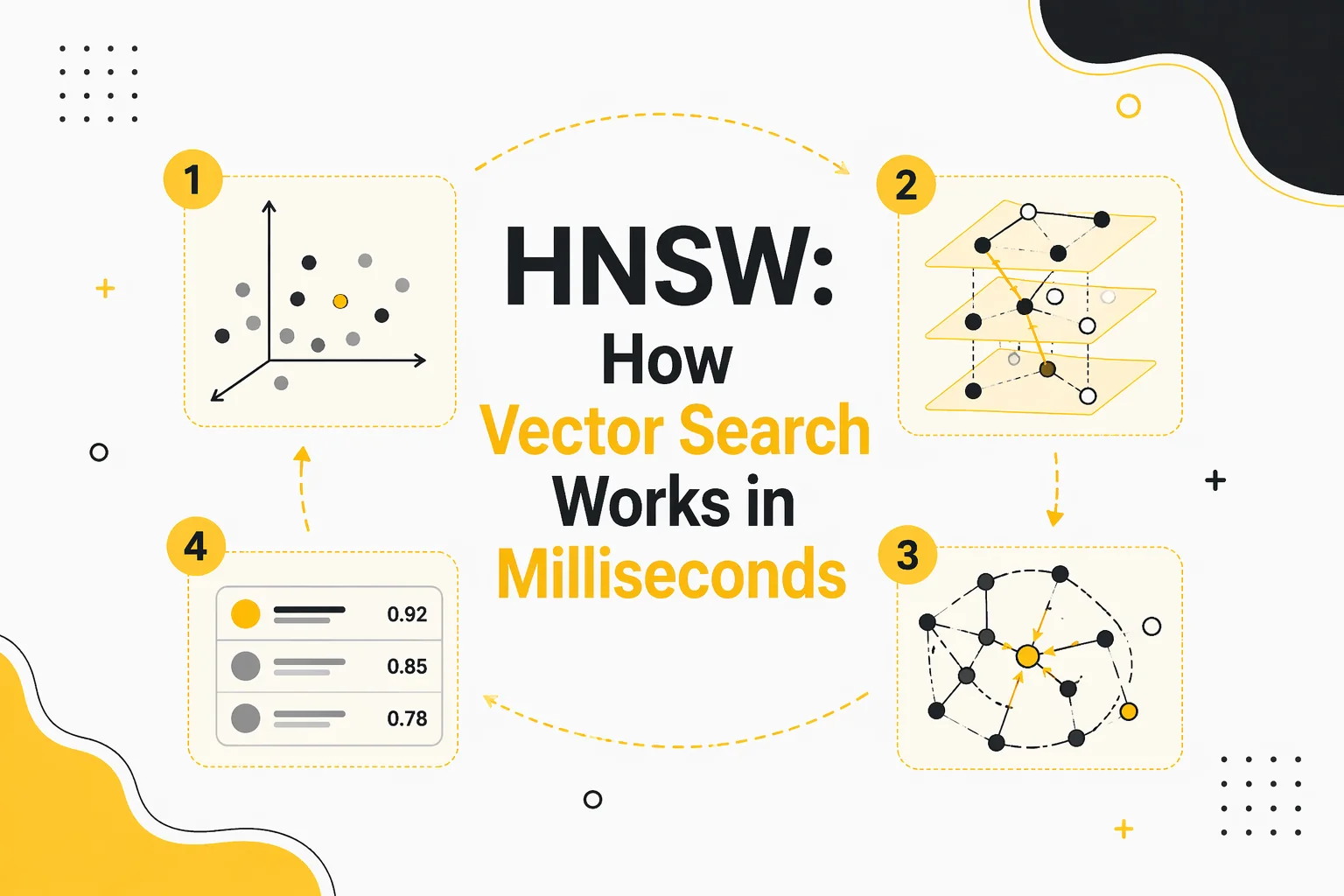
HNSW: How Vector Search Actually Works
HNSW finds nearest neighbors in milliseconds by navigating a multi-layer graph. Interactive navigator shows the search powering every vector database.
8 min read
Loading...
Explore our collection of tutorials, guides, and insights to help you master Python and beyond.
Showing 37–48 of 120 posts
HNSW finds nearest neighbors in milliseconds by navigating a multi-layer graph. Interactive navigator shows the search powering every vector database.
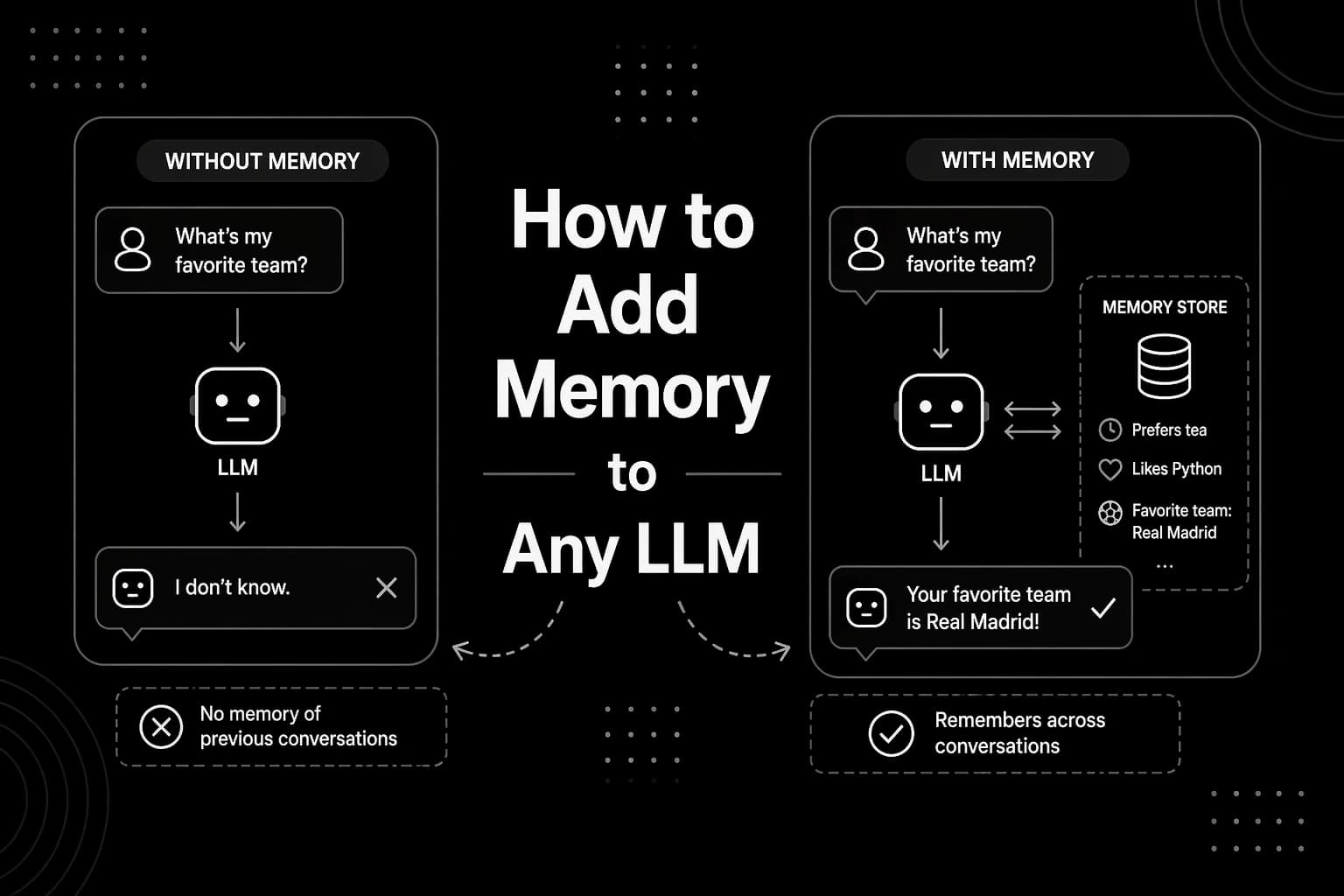
LLMs forget everything between API calls. Buffer, summary, and vector memory fix this. Interactive simulator shows what each strategy remembers.
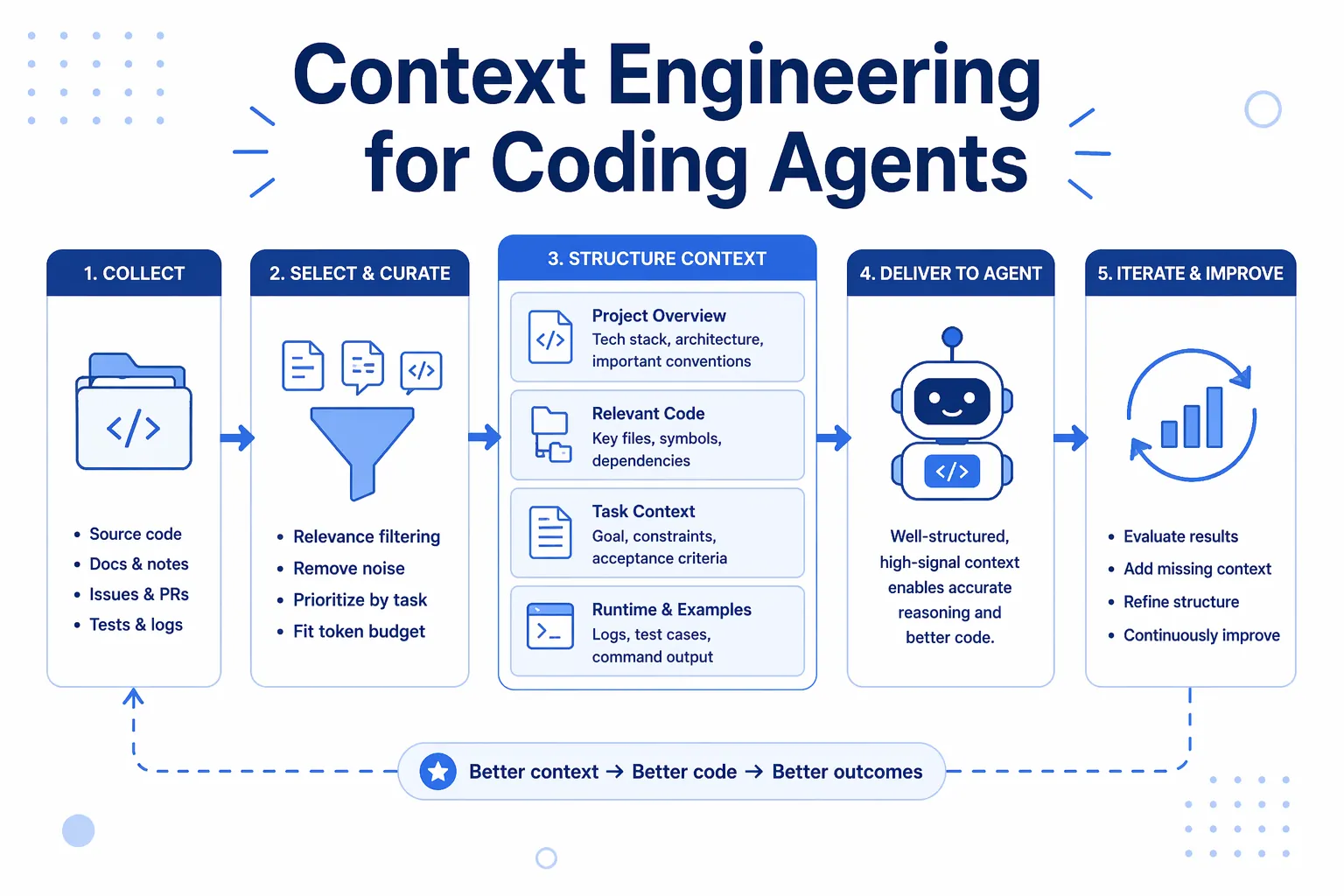
See what Copilot, Cursor, and Claude Code feed their LLMs. Interactive agent simulator lets you build context for a coding task and compare strategies.
Learn how MCP tools turn Python type hints into JSON Schema. See how LLMs pick the right tool and build better definitions with FastMCP.
Deploy an AI agent as a REST API with FastAPI in Python. 11 steps: endpoints, streaming, chat memory, auth, Docker, and unit tests.

Honest benchmarks, API comparison, and a decision framework for Polars vs Pandas. Interactive simulator shows 5-50x speed differences.

Build a ReAct (Reasoning + Acting) AI agent from scratch in pure Python. 10-step interactive tutorial with runnable code, output previews, and hands-on challenges.

Step-by-step tutorial to build AI agents using the Claude Agent SDK in Python. 10 hands-on steps covering tools, hooks, subagents, and MCP servers.

Step-by-step tutorial to build an MCP server in Python. 10 hands-on steps covering tools, resources, prompts, and Claude Desktop integration.
What is Model Context Protocol? Watch MCP client-server communication in action. Learn how this Anthropic standard connects LLMs to databases, APIs, and tools.

How do AI agents work? Watch the Observe-Think-Act loop in action with our interactive visualizer. Understand ReAct, tool use, and autonomous decision-making.
What is RAG? Watch the retrieval-augmented generation pipeline step-by-step. See how LLMs access external knowledge through vector search and embeddings.